AI and the Transformation of Commuter Life
Urban transport has actually constantly been an obstacle. Between growing populaces, minimal infrastructure, and the rising need for comfort, cities are frequently looking for ways to boost just how people and vehicles move. Go into expert system. When viewed as a remote concept reserved for sci-fi, AI is currently at the core of several of the most exciting shifts in contemporary city life. And it's not just about self-driving cars and trucks-- it's concerning smarter systems, safer streets, and better preparation for every person that shares the roadway.
From Reactive to Predictive: The New Urban Mindset
Cities used to operate reactively. A traffic light malfunctions? Someone fixes it. Does a bus path become chock-full? Coordinators tweaked it months later. But with AI, this timeline has turned. Sensors placed at intersections, transit centers, and hectic roads feed real-time information into AI-powered systems that can not only react instantaneously but likewise predict what's following.
Envision a system that understands when and where blockage will build prior to it even takes place. That's no more a dream. By assessing patterns with time, like pedestrian web traffic, weather conditions, and occasion schedules, AI versions assist cities prevent traffic jams instead of just responding to them.
Smarter Traffic Signals and Intersection Management
One of the most recognizable improvements AI has given metropolitan transport remains in the means traffic lights operate. Typical signal systems work on timers or basic sensors. But AI can evaluate real-time video, spot automobile volume, and adapt light cycles on the fly. This change minimizes unneeded idling, enhances fuel effectiveness, and-- possibly most importantly-- reduces commute times.
Some cities have actually started to combine AI-powered cams with traffic signal to spot not just vehicles, however pedestrians and cyclists also. This enables signals to adjust for vulnerable roadway individuals, enhancing security without slowing down overall web traffic circulation.
Public Transit Gets a High-Tech Upgrade
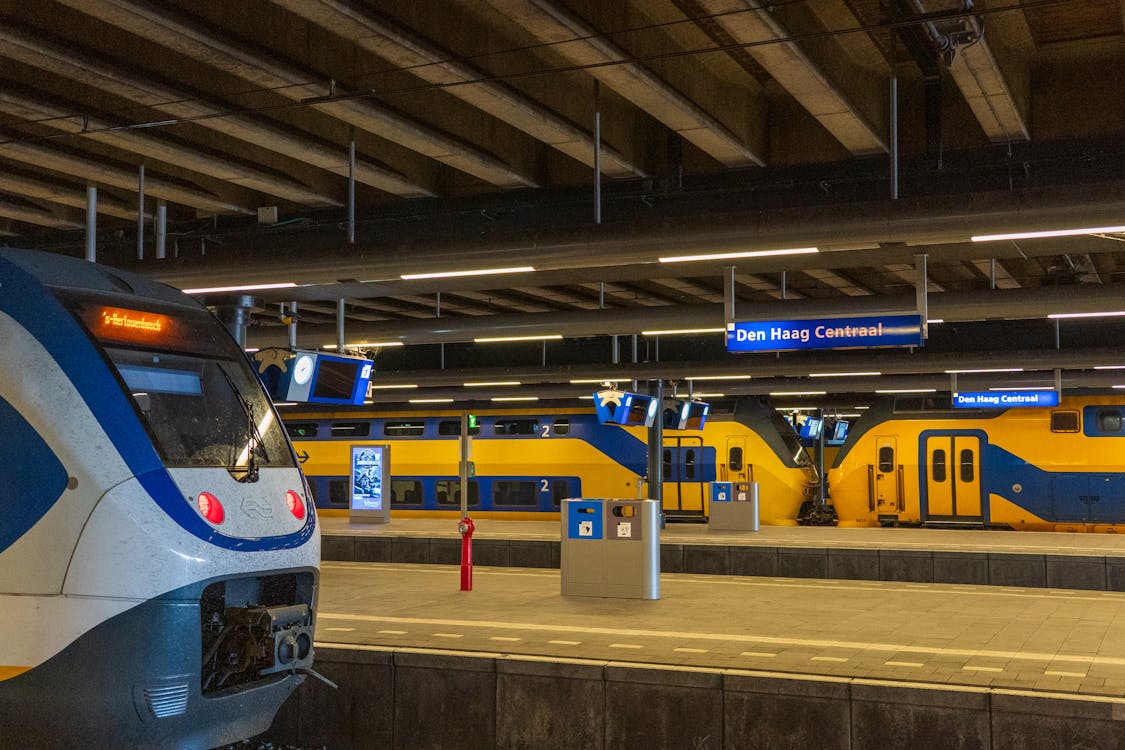
Buses and trains are important lifelines in a lot of cities. Yet delays, course inadequacies, and upkeep problems typically annoy motorcyclists. That's beginning to change with the help of AI.
Transit firms are now using predictive analytics to manage fleets much better. If a bus is running behind schedule, AI can advise route modifications, alternative pickup factors, and even reassign automobiles in real-time. Maintenance is additionally much more aggressive; AI determines early warning signs prior to parts fail, which keeps vehicles on the road and riders in a timely manner.
When public transportation is consistent and trusted, even more individuals use it. And when more people utilize public transportation, cities end up being greener, much less busy, and less complicated to navigate.
Redefining Parking with Smart Systems
Discovering a car park place in a city can be one of the most frustrating part of driving. It's lengthy, stressful, and frequently inefficient. But AI is now changing the method cities deal with car parking management.
Video cameras and sensors set up in car park and garages track available areas and send out updates to central systems. Motorists can then be guided to open areas via navigating applications or in-car systems, lowering the moment they invest circling the block. In turn, this cuts emissions and makes city roads less crowded.
Some AI systems are also with the ability of dynamic pricing, changing vehicle parking fees based on need in real time. This prevents overuse in crowded areas and urges turnover, providing everyone a fairer shot at discovering a room.
In largely inhabited locations where area is limited, specialized solutions like boat storage in Philadelphia and devoted Philadelphia car storage options are coming to be better than ever before. AI can aid take care of these facilities, making sure ideal usage and improving protection through wise security systems that spot uneven activity.
The Rise of Autonomous Vehicles and Ridesharing Intelligence
While self-driving cars and trucks might not yet dominate the roadways, they're most definitely affecting the direction of metropolitan transport. AI is the backbone of self-governing car innovation, dealing with everything from navigating to barrier discovery and response time.
However even prior to complete freedom takes hold, AI is currently changing ridesharing solutions. Algorithms help set travelers a lot more successfully, reduce wait times, and suggest calculated areas for motorists to wait between fares. Gradually, these insights will help reduce traffic congestion and improve vehicle tenancy prices across cities.
There's likewise been a rise in AI-enhanced micro movement options like scooters and bike shares. These solutions are managed by AI systems that track use patterns, forecast high-demand locations, and even find maintenance needs immediately.
Planning the Future: AI and Urban Design
City organizers now have a powerful new ally in expert system. With access to enormous datasets-- every little thing from commuter behaviors to air quality degrees-- AI tools can design the impact of framework changes prior to they're also made. This indicates far better decisions regarding where to put bike lanes, just how to improve bus routes, or whether to develop brand-new bridges and passages.
Urban developers can likewise utilize AI to model the impact of brand-new zoning laws or residential development on transport systems. This leads to smarter development that supports motion rather than frustrating it.
In places with dense advancement and restricted realty, smart services like vehicle storage in Philadelphia are verifying to be important elements in lasting preparation. AI can enhance room allotment, track use trends, and assist make storage formats that maximize capacity while decreasing impact.
Safer Streets Through Real-Time Intelligence
AI is not practically rate and performance-- it's additionally about safety. From more info determining speeding automobiles in real time to forecasting accident-prone areas, AI is assisting make streets safer for everybody.
Smart monitoring systems powered by machine learning can find hazardous habits, such as unlawful turns, running red lights, or jaywalking. These systems do not just serve as deterrents; they generate information that cities can make use of to notify future security initiatives.
AI is additionally helping first -responders get to emergency situations faster. Real-time website traffic analysis can guide rescues along the quickest route, even throughout heavy traffic. And when seconds matter, those time savings can be life-altering.
A More Connected and Adaptable Transportation Future
The real power of AI in metropolitan transport lies in its capacity to adjust. As cities progress, AI evolves with them. Whether it's reacting to an abrupt rise in traffic after a sports occasion, forecasting flooding on significant roadways, or managing a spike in seasonal travel, AI is there, regularly finding out and readjusting.
By weaving AI right into the fabric of transportation systems, cities are ending up being much more intelligent, a lot more responsive, and a lot more straightforward. These modifications may not always be visible to the everyday traveler, yet the advantages-- much shorter trips, much safer streets, and extra dependable transportation-- are really felt every day.
For those navigating city life today and looking towards the future, it's clear that artificial intelligence is no longer simply assisting with transport-- it's redefining exactly how our cities move.
See to it to adhere to the blog site for even more understandings right into exactly how technology is forming urban life, and examine back consistently to stay ahead of the curve.